Antal Dániel személyes honlapja
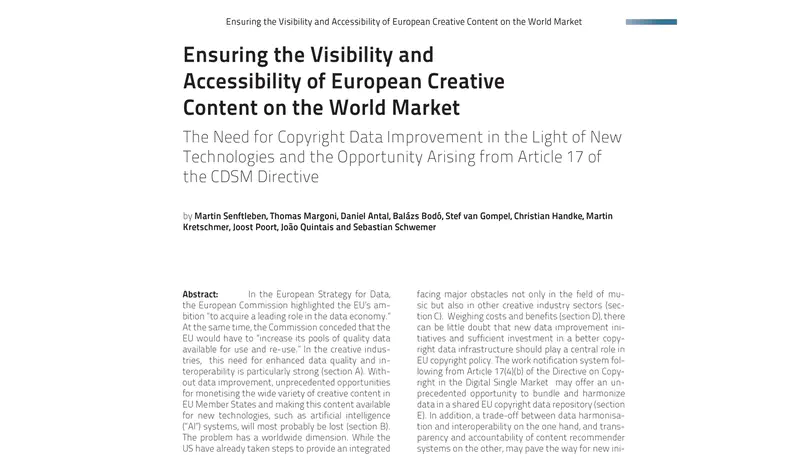
Adatokkal, mesterséges intelligenciával foglalkozó vállalkozó és innovátor vagyok, hosszú ideje a kulturális szektor és a kreatív iparágak területén. A professzionális munkámról és tudományos kutatás-fejlesztési eredményeimről a Reprex honlapján olvashatsz.
Egész életemben érdekelt a magyar nyelv, kultúra és a művészetek. Ilyen beállítottságú családi hátterem miatt nyolc éves korom óta fotózok aktívan. A művészeti, kulturális projektjeim ezen a személyes oldalon találhatók meg.
Portfólió
*

Eredmények
TextileBase
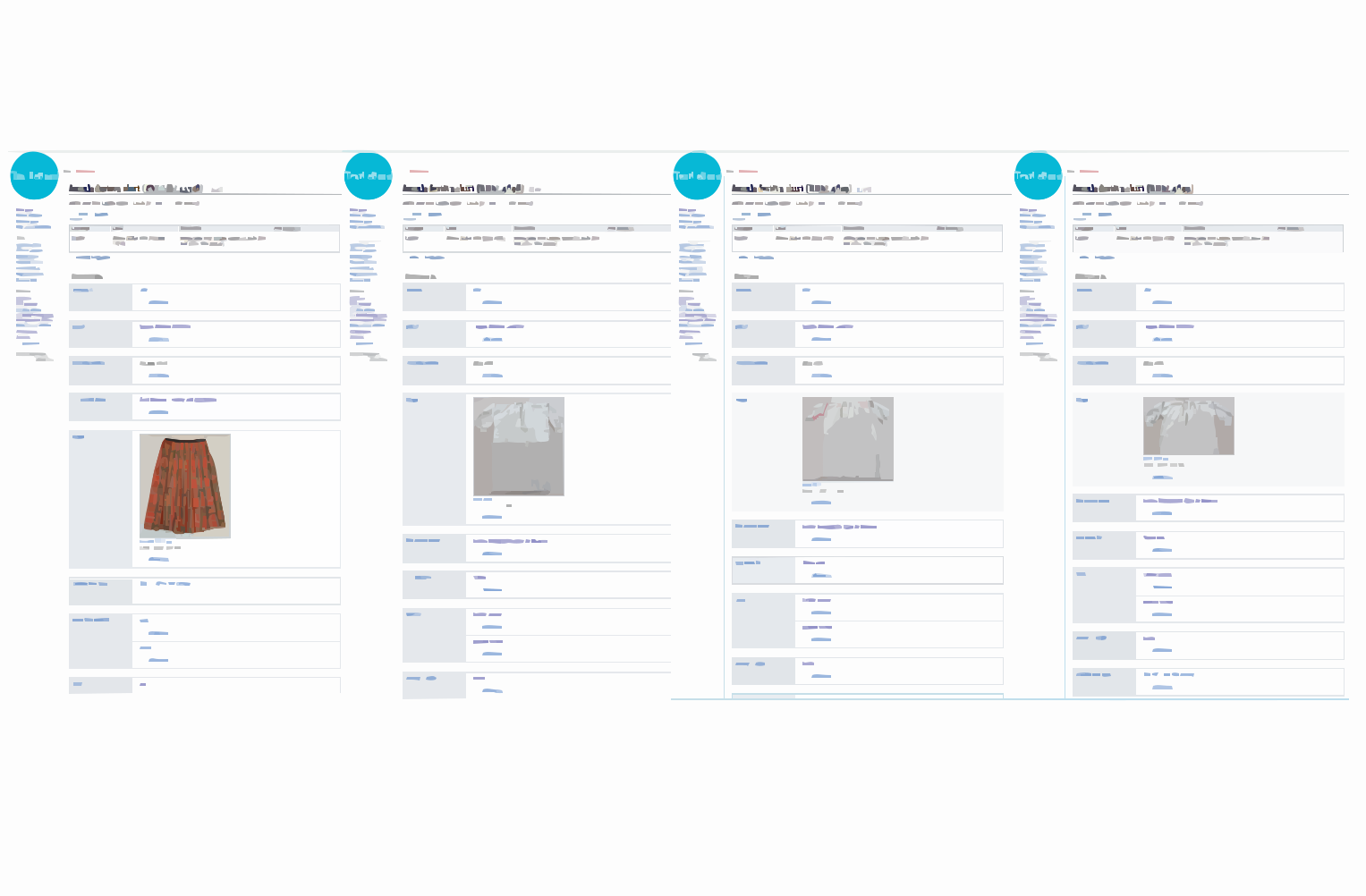
TextileBase links museum, archive, and research records on garments into a multilingual knowledge graph to support dress history, cultural heritage, and sustainable fashion.

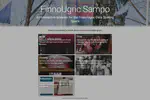
Finno-Ugric Data Sharing Space
We built the Finno-Ugric Data Sharing Space as a federated platform that solves some of the hardest data challenges — linking scattered, multilingual, public and private collections while respecting local knowledge and legal frameworks. By stress-testing our methods in this complex cultural setting, we developed tools directly applicable to equally difficult business data problems across borders and industries.
Finalist, Winner of Audience Prize
Our automated data observatory concept supported by a data-sharing space wins the audience prize.

OpenMuse
Egy Horizon Europe Research and Innovation Action projekt kezdeményezése.

Awarded project in the Green Recovery section of MusicAire.
Trustworthy AI Systems Hub
With our Digital Music Observatory and Listen Local we are partners in finding potential adverse outcomes of AI-driven, autonomous music recommendation systems on market competition.

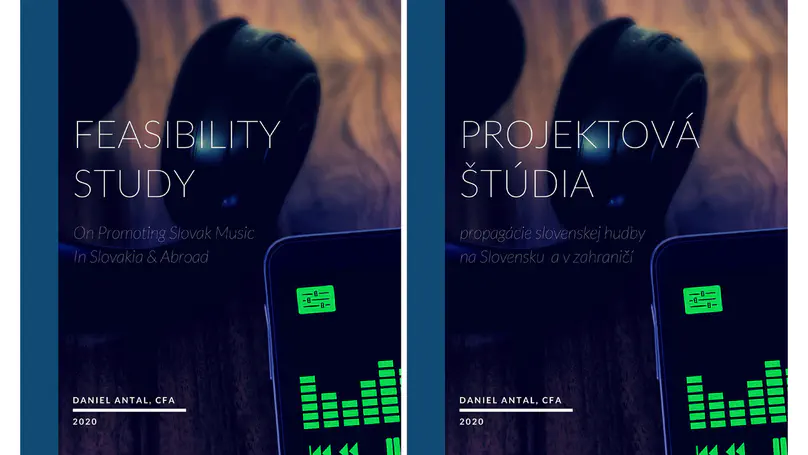
Listen Local Slovakia Demo App & Feasibility Study
Slovak Arts Council & SOZA
Formalizing our automated data observatory product and our bridghead into the music industry
AI+Blockchain Product/Market Fit Validation
University X
Formalizing our automated data observatory product and our bridghead into the music industry
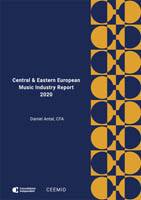
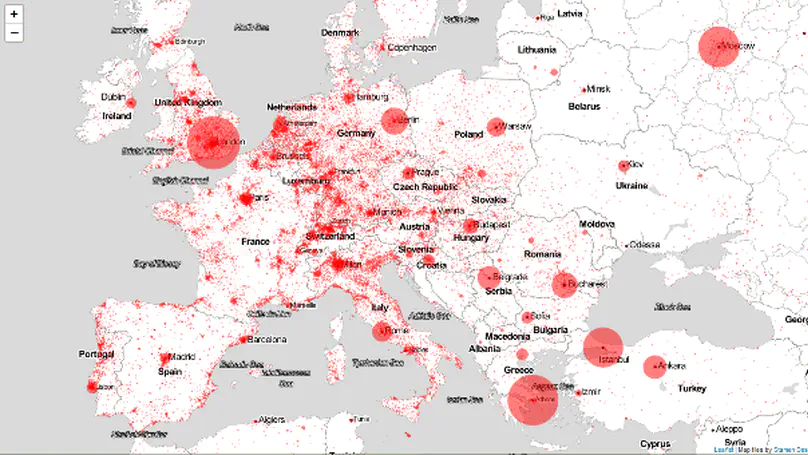
Central European Music Industry Report
A 12-country music data harmonization and reporting project with a a best-practice report.